Structural Glazing in Modern Architecture: Benefits, Applications & Modern Trends
Structural glazing has transformed the way buildings look, feel, and interact with their surroundings. Whether it’s a corporate tower, a shopping mall, […]
Structural glazing has transformed the way buildings look, feel, and interact with their surroundings. Whether it’s a corporate tower, a shopping mall, or a luxury residence, structural glazing delivers the perfect blend of strength, transparency, and modern aesthetics.
In this blog, we explore how structural glazing works, its key advantages, applications, and why it has become a signature element of contemporary architecture.
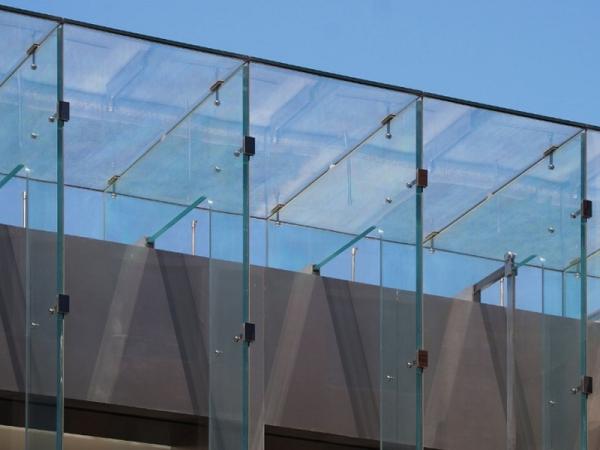
What Is Structural Glazing?
Typical structural glazing elements include:
- Toughened or laminated glass
- Aluminium or steel supporting framework
- High-performance structural silicone
- Insulated glass units (IGUs)
- Hidden fixing systems
Types of Structural Glazing Systems
- Two-Sided Structural Glazing – Glass is exposed on two sides, supported by frames on the other two.
- Four-Sided Structural Glazing – All four sides are silicone-bonded, achieving a completely frameless look.
- Unitized Structural Glazing – Pre-fabricated units installed onsite, ideal for high-rise buildings.
- Semi-Unitized Glazing – A hybrid option where part is pre-made and part is assembled onsite.
Key Advantages of Structural Glazing
- Sleek, Frameless Aesthetics – Modern, floating glass appearance.
- Excellent Thermal & Sound Insulation – Especially when paired with insulated or low-E glass.
- Strong & Weather Resistant – Withstands wind loads, temperature shifts, and rain.
- Longer Lifespan – Durable materials mean reduced maintenance.
- Flexibility in Design – Suitable for curved, large-format, or creative architectural glass shapes.
Applications of Structural Glazing
- Commercial buildings
- Corporate offices
- Shopping malls
- Hotels & resorts
- Luxury residential buildings
- Atriums and skylights
- Airport terminals
- Institutional structures
Structural Glazing Trends in Modern Architecture
- Large-Format Glass Panels – Bigger panes for uninterrupted views.
- High-Performance Glass – IGU, Low-E, and solar-control glass.
- Curved & 3D Glass Façades – For futuristic building designs.
- Hybrid Steel-Glass Designs – Strong, visually striking structures.
- Smart Glazing Integration – Switchable, self-cleaning, and solar glass.
Oersted’s Expertise in Structural Glazing
- Unitized & semi-unitized glazing systems
- Insulated and laminated glass façades
- Structural silicone bonding
- High-rise façade engineering
- Custom solutions for complex architectural designs
Conclusion
Structural glazing continues to dominate modern architecture due to its sleek appearance, durability, and flexibility. Whether it’s a commercial tower or a luxury residence, structural glazing enhances visual appeal and improves overall building performance.
With Oersted’s engineering expertise and high-quality installation, you get façades that are strong, stylish, and built to last.